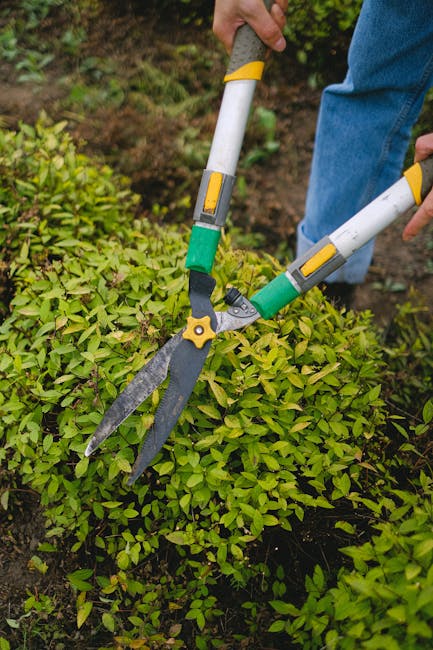
Emergency garden tidy and clearance near Plumstead station
If your garden has suddenly gone from "a bit untidy" to completely overwhelming, you are not alone. Storm damage, a missed few weeks of maintenance, an end-of-tenancy deadline, or an overgrown patch that has become a nuisance overnight can all create a real headache. This guide to Emergency garden tidy and clearance near Plumstead station explains what the service involves, when it makes sense, and how to get a fast, sensible result without making the mess worse.
Close to Plumstead station, space can be tight, access can be awkward, and time is often short. That means a rushed garden clear-out needs to be organised properly, not just "done quickly". Below, you will find practical steps, common mistakes, and a realistic sense of what good emergency clearance looks like in a London setting. No fluff. Just the useful bit.
Table of Contents
- Why Emergency garden tidy and clearance near Plumstead station Matters
- How Emergency garden tidy and clearance near Plumstead station Works
- Key Benefits and Practical Advantages
- Who This Is For and When It Makes Sense
- Step-by-Step Guidance
- Expert Tips for Better Results
- Common Mistakes to Avoid
- Tools, Resources and Recommendations
- Law, Compliance, Standards, or Best Practice
- Options, Methods, or Comparison Table
- Case Study or Real-World Example
- Practical Checklist
- Conclusion
- Frequently Asked Questions
Why Emergency garden tidy and clearance near Plumstead station Matters
An emergency garden tidy is not just about making things look pretty, although that helps. It is about regaining control of a space that has become unsafe, unusable, or stressful. A broken branch across a path, waist-high weeds, slipped leaves on paving, rotting green waste, or furniture buried under debris can all create problems that need sorting quickly.
Near Plumstead station, where many homes and properties sit close to neighbouring gardens, side access, and shared boundaries, the consequences of neglect can spread fast. An untidy garden can encourage pests, block access, make bin day harder, and even cause tension with neighbours if overgrowth starts creeping over fences or pathways. Truth be told, it can become one of those things you keep meaning to deal with, until suddenly the pressure is on.
There is also the practical side. If you are preparing for a landlord inspection, selling a property, welcoming family, or dealing with a post-storm mess, a quick tidy-up is often the difference between feeling stuck and feeling back in charge. A good emergency clearance focuses on the essentials first: safety, access, and a visible reset.
If the job looks bigger than a simple tidy, it often makes sense to pair emergency work with longer-term support such as ongoing garden maintenance or a more complete garden clearance so the same mess does not return in a fortnight. That sounds obvious, but people often skip this part and regret it later.
How Emergency garden tidy and clearance near Plumstead station Works
Most emergency garden tidy and clearance jobs follow a simple pattern, though the detail changes depending on access, waste volume, and what has actually gone wrong. In our experience, the best results come from a quick assessment first, then a clear sequence of work rather than trying to do everything at once.
1) Assess the site
The first task is to look at what needs removing, what needs cutting back, and what can stay. This might include fallen branches, dead plants, brambles, lawn waste, old pots, broken furniture, or overgrown hedging. If there are trees involved, especially damaged or unstable ones, it may also be sensible to consider tree lopping and removal rather than forcing a simple tidy to do a tree specialist's job.
2) Make the space safe
Emergency work usually starts with obvious hazards. Loose glass, unstable branches, slippery surfaces, and blocked routes are cleared first. This is especially important if children, elderly residents, or pets use the garden. You want the garden to become safer quickly, not just neater.
3) Remove bulky waste and cut back growth
Once the hazards are under control, the crew can tackle the bulky material. That often means bagging, bundling, loading, and sorting waste into manageable loads. Overgrown edges are trimmed back, plants are reduced to sensible height, and walkways are reopened. If hedges have turned into a wall of green chaos, hedge trimming may be a key part of the job.
4) Finish with a usable clean-up
The final pass is what turns a rough clearance into a proper tidy. This means sweeping paths, raking smaller debris, removing leftover clippings, and leaving the garden visibly calmer. If there is a lawn under all that mess, a reset often works best with lawn mowing so the whole space looks intentional again rather than simply "emptied out".
A small but important note: emergency does not mean careless. A rushed job that misses waste, damages planting, or leaves sharp debris behind is not a good job. Fast is useful. Safe and finished is better.
Key Benefits and Practical Advantages
The obvious benefit is that the garden stops being a problem. But there is more to it than that.
- Immediate safety improvements: paths are clearer, trip hazards are reduced, and access is easier.
- Less stress: a messy garden can weigh on you more than people admit.
- Better appearance: useful if you are hosting, selling, renting, or just tired of looking at the mess.
- Neighbour-friendly results: cutting back encroaching growth can help avoid awkward conversations.
- Better maintenance afterwards: once the clutter is removed, routine care becomes much easier.
- More space: gardens often look and feel larger once debris, overgrowth, and dead material are gone.
There is also a knock-on effect. A cleared garden makes it easier to see what still needs attention. You might realise the fence is damaged, the decking is slippery, or a planting bed needs a full redesign. That is where services like landscaping or landscape gardening become useful later, once the urgent work is out of the way.
Expert summary: emergency garden clearance works best when it restores access first, removes hazards second, and improves appearance last. If you reverse that order, the job often takes longer and costs more.
Who This Is For and When It Makes Sense
This service is for people who need the garden under control quickly, not in some vague "next month if possible" way. That includes homeowners, landlords, tenants, letting agents, property managers, and older residents who simply cannot take on the work themselves.
It also makes sense in a few common scenarios:
- after a storm or high winds have scattered debris
- before an inspection, viewing, or move-out deadline
- when a garden has been left untended for a while
- after a tenancy has ended and the outdoor space needs resetting
- when overgrowth is blocking bins, doors, or side access
- if rubbish, old garden items, or cuttings have piled up faster than expected
To be fair, some people only need a light reset, while others need what is practically a rescue mission. You do not need to know which category you are in before asking for help. A good service can usually tell from photos, a visit, or a short description. And if the situation includes built-up maintenance issues rather than a one-off mess, it may be worth combining the tidy with regular upkeep so the garden stays manageable.
One small real-world example: a back garden with months of leaf fall, collapsed canes, a bent washing line, and a path hidden under weeds can look like a huge project. Once the waste is out and the edges are cut back, though, the space often responds quickly. It does not need a full rebuild. It just needs momentum.
Step-by-Step Guidance
If you want the cleanest possible result, a simple process works best.
- Walk the space and identify priorities. Focus on hazards, access, and the worst visual offenders first.
- Separate keep, cut, and remove. Not everything needs throwing away. Some plants only need reduction or reshaping.
- Clear routes and surfaces. Paths, steps, doors, and bins should be made usable early on.
- Cut back overgrowth carefully. Avoid hacking everything down without a plan. That can ruin healthy growth.
- Collect and bag waste as you go. Leaving piles around makes the job feel twice as large.
- Do a final sweep. Check corners, beneath shrubs, and around fences where scraps like to hide.
- Review what remains. Decide whether the garden now needs trimming, mowing, repair, or longer-term design work.
If you are doing any part of this yourself, use gloves, sturdy footwear, and decent bags or containers. It sounds basic because it is basic. Still, basic is what stops a small job turning into a sore back and an irritated afternoon.
Expert Tips for Better Results
Good emergency clearance is often about judgment, not brute force. Here are the small decisions that make the biggest difference.
- Start at the entrance and work inward. It gives you a feeling of progress quickly.
- Do not overcut healthy growth. If in doubt, reduce first and review later.
- Watch for hidden waste. Broken pots, wire, and old fixings are easy to miss in long grass.
- Think in layers. Remove surface clutter, then cutback, then detail clean-up.
- Leave the garden in a maintainable state. A slightly less dramatic result that stays tidy is better than a dramatic reset that regrows in two weeks.
Another useful point: if you have paved areas, decking, or a sheltered corner where damp tends to linger, a tidy can uncover issues that need a second look. For example, slippery boards or shaded growth around a deck may need attention beyond simple clearance, which is where decking services can come into the conversation.
One more thing. If you are comparing providers, ask how they handle waste sorting and recycling. It tells you a lot about how carefully they work overall. Not glamorous, granted, but useful.
Common Mistakes to Avoid
Emergency jobs are where mistakes happen because everyone is in a rush. Here are the big ones.
- Cutting before assessing: you can damage plants, miss hazards, or create more waste than necessary.
- Ignoring access: if waste has to be carried through a narrow side passage, plan for that before you begin.
- Mixing everything together: soil, green waste, broken items, and general rubbish should not all be handled the same way.
- Leaving trip hazards behind: hidden sticks, offcuts, and loose stones matter more than they look.
- Assuming one tidy solves everything: sometimes the garden needs follow-up care, repair, or redesign.
There is also the classic mistake of trying to do a full overhaul in one go because the garden looks bad. Honestly, that is how people end up exhausted and with a half-finished space that feels worse than before. A focused clearance, done properly, usually beats a heroic weekend attempt.
Tools, Resources and Recommendations
The tools needed for a garden tidy depend on the mess, but the usual kit includes gloves, secateurs, loppers, spades, rakes, bags, tarps, and cutting tools suited to the growth you are dealing with. For larger clearances, carts or collection tubs save a lot of time and reduce strain.
For many jobs, the most helpful "resource" is not a tool at all. It is a plan. A short list of what must be removed, what must stay, and what needs a later visit keeps the work tidy and avoids guesswork. If the garden is going to need ongoing attention after the emergency work, it is sensible to look at the wider service range so you can match the next step to the actual condition of the garden.
For people who want a steadier routine after the clearance, a combination of maintenance visits, mowing, and seasonal cutting back is usually more efficient than reacting only when the garden gets out of hand. That is where lawn mowing and hedge trimming can help keep the space under control.
Law, Compliance, Standards, or Best Practice
Emergency garden tidy and clearance work in the UK should be carried out with basic care around waste handling, safe use of tools, and responsible disposal. Exact requirements can vary depending on the site, the materials involved, and who owns the property, so it is always wise to avoid making assumptions.
For example, if waste includes sharp material, rotten timber, heavy items, or anything potentially hazardous, it needs to be handled carefully and separated sensibly. Large branches or awkward loads should be lifted with care, and anything unstable should be made safe before work continues. If a tree looks dangerous or has significant structural damage, specialist attention may be needed rather than a standard tidy.
Good practice also means respecting neighbouring boundaries, working without unnecessary damage, and leaving access points clear. Noise, timing, and debris management matter too, especially in residential areas near Plumstead station where homes can be close together and everyone notices when a job is handled well... or not so well.
When hiring someone, it is sensible to check that they take safety and insurance seriously. You can review insurance and safety information and look through the health and safety policy to understand how the work is approached. If waste disposal and reuse matter to you, the recycling and sustainability page is also worth a look.
Options, Methods, or Comparison Table
Not every garden issue needs the same solution. Here is a straightforward comparison to help you judge the right level of response.
| Approach | Best for | Typical outcome | Notes |
|---|---|---|---|
| Light emergency tidy | Minor overgrowth, surface debris, quick presentation fix | Garden looks better fast and becomes usable again | Best where the main problem is clutter rather than deep neglect |
| Full emergency clearance | Large piles of waste, heavy overgrowth, blocked access, tenant turnover | Space is cleared, reset, and made safe | Usually the right choice when time is tight and the mess is substantial |
| Clearance plus maintenance | Gardens that will quickly deteriorate again without follow-up care | Cleaner for longer, with less recurring work | Often the most cost-effective option over a few months |
| Clearance plus landscaping | Areas that are beyond simple tidy-up and need redesign or repair | Space becomes more functional and easier to maintain | Useful if the garden layout itself is part of the problem |
As a rule, the more visible the clutter and the more difficult the access, the more important it becomes to plan the method carefully. A quick fix is fine if it is genuinely a quick fix. If not, better to admit it early and choose the right route.
Case Study or Real-World Example
A typical emergency job near Plumstead station might involve a compact rear garden that has been left untouched through a wet, windy spell. Leaves gather in the corners, a small tree sheds low branches, bins become hard to reach, and the lawn disappears under uneven growth. Nothing dramatic at first glance. But enough to make the space feel shut down.
The first stage is usually to remove the obvious hazards and reopen the route to the back gate. Then the bulk waste is collected and the longest growth is reduced. In one pass, the garden goes from feeling cramped and slightly neglected to feeling light again. Not perfect, but breathable. That is the word, really.
After that, a simple mow, some border edging, and a bit of hedge shaping can transform the look without overdoing it. Sometimes there is a follow-up need for broader maintenance or design tweaks, but the urgent problem is gone. The relief is usually obvious within minutes. You can almost hear it in the way people say, "Ah, that's better."
Practical Checklist
Use this checklist before arranging or carrying out an emergency garden tidy:
- Identify any immediate safety hazards
- Clear access routes to doors, gates, and bins
- Separate green waste from broken items and general rubbish
- Check for hidden debris in long grass or under shrubs
- Confirm whether trees, hedges, or decking need specialist attention
- Decide what should be kept, cut back, or removed entirely
- Make sure waste can be loaded and removed efficiently
- Plan follow-up care if the garden usually deteriorates quickly
- Review safety, insurance, and waste handling expectations
- Confirm the final result is tidy, safe, and easy to maintain
A little planning goes a long way here. It stops the work from becoming chaotic, which, to be fair, is half the battle in an emergency job.
Get a free quote today and see how much you can save.
Conclusion
Emergency garden tidy and clearance near Plumstead station is about more than speed. It is about restoring order, reducing risk, and giving you back a space that feels manageable again. Whether the problem is storm debris, wild growth, missed maintenance, or a property that needs a fast reset, the right approach is calm, practical, and safety-led.
Start with the hazards. Clear the access. Remove the waste properly. Then look at what the garden needs next so you do not end up in the same position again. That is the simple version, and honestly, the best version too.
If the situation feels bigger than you can handle alone, getting prompt help is often the most sensible move. A garden does not have to stay stuck in chaos. With the right tidy-up, it can start feeling like yours again, and that can be a surprisingly good feeling on an ordinary afternoon.
Frequently Asked Questions
What counts as an emergency garden tidy?
An emergency garden tidy is a fast-response service for gardens that have become unsafe, blocked, heavily overgrown, or urgently presentationally poor. It usually focuses on access, hazards, and removing obvious waste first.
How fast can emergency garden clearance be done near Plumstead station?
That depends on access, the size of the garden, and how much waste is involved. Small jobs can often be turned around quickly, while larger clearances may need more time and planning.
Is emergency garden clearance the same as garden maintenance?
Not really. Emergency clearance is about getting a space back under control quickly. Garden maintenance is the ongoing upkeep that helps stop it from getting into that state again.
Can you clear overgrown hedges and brambles in one visit?
Yes, if the growth is manageable and the site is accessible. In more serious cases, hedges and brambles may need staged work, especially if they are thick, woody, or mixed with waste.
Do I need to move garden furniture before the tidy-up?
If you can safely move lighter items, it helps. But heavy, awkward, or damaged items are often better assessed on site so they can be handled without causing extra problems.
What happens to the garden waste?
It should be collected, sorted where appropriate, and disposed of responsibly. Good practice is to separate green waste from broken items and anything that needs special handling.
Can emergency clearance help before a property viewing or tenancy handover?
Absolutely. A quick tidy can make a huge difference to first impressions and can help the outdoor space feel presentable, safe, and ready for inspection.
Is it worth combining clearance with lawn mowing?
Usually, yes. Once clutter and overgrowth are removed, mowing often gives the garden a much more finished look and helps reveal what still needs attention.
What if the garden has tree damage after bad weather?
Damaged trees should be treated carefully. If a tree looks unstable, split, or unusually weighted, it may need specialist attention rather than a standard tidy alone.
Do I need to be home during the work?
That depends on access arrangements and what you are comfortable with. Some people prefer to be there at the start and finish, while others arrange access and return once the job is complete.
How do I know if I need clearance or landscaping?
If the main issue is clutter, debris, or overgrowth, clearance is usually enough. If the layout, paths, beds, or structure of the garden are part of the problem, landscaping may be the better next step.
What should I ask before booking an emergency garden tidy?
Ask what is included, how waste is handled, whether safety and insurance are in place, and whether the team can also advise on follow-up maintenance. That saves a lot of back-and-forth later.
If you want to understand the team behind the work, you can also read more about the company and use the contact page when you are ready to talk through the job. A quick conversation can save a lot of guessing.