Gardener Plumstead: Recycling and Sustainability for a Greener Garden Area
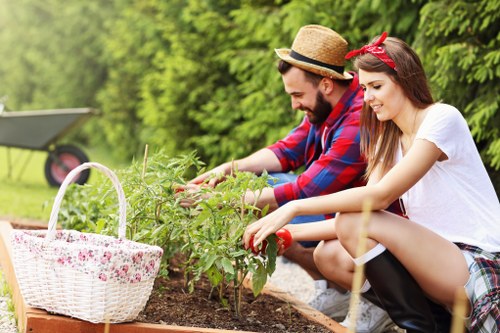 Gardener Plumstead champions an eco-friendly waste disposal area approach across the neighbourhood, integrating recycling into daily garden care and communal spaces. Our aim is to create a visible, practical model of a sustainable rubbish gardening area that reduces landfill, supports local reuse and keeps soils and plants healthy. The programme aligns with borough-level waste separation strategies—encouraging separate food waste, clear recycling streams and safe composting for garden organics—and builds resident confidence in the circular economy.
Our core target is clear: a recycling percentage target of 60% municipal waste diverted from landfill by 2028, with interim benchmarks for garden and household composting uptake. This target focuses on increasing capture rates for paper, card, glass, metals and plastics alongside organic waste streams from allotments and domestic gardens. The gardener plumstead recycling initiative emphasises behaviour change, infrastructure and measurable outcomes to reach the set percentage and then push beyond it.
 To support collection and processing we coordinate with local transfer stations and consolidation points, making use of borough-run transfer facilities such as nearby Woolwich and Belvedere transfer stations where materials are sorted and routed for reprocessing. These transfer hubs play a central role in moving materials from the eco-friendly waste disposal area to specialized recyclers, and they help keep transportation emissions lower by minimising intermediate handling.
Gardener Plumstead’s operations are built on practical partnerships: we work with community charities and reuse organisations to extend the life of garden tools, planters and building materials. Local charity partners collect usable items for redistribution and resale, turning what might be waste into community value. Clothing, small electricals for repair, seeds and pots are sorted and channelled to charitable reuse streams before any residual items are considered for recovery.
 Our sustainable rubbish gardening area includes on-site compost bays for green waste and food scraps from community kitchens, plus drop-off points for bulky garden waste that feed into municipal composting. The borough’s approach to waste separation—encouraging residents to separate food, garden organics, recyclables and residual waste—complements these on-the-ground facilities and reduces contamination rates in recycling loads.
We also coordinate resource exchange days and reuse pop-ups in partnership with volunteer groups and charities. These events divert large, reusable items from kerbside collection and provide local gardeners with low-cost, secondhand equipment. The partnerships are structured to prioritise safety and quality: items are inspected, cleaned and either redistributed or passed to specialist recycling partners.
Fleet sustainability is another pillar: Gardener Plumstead is transitioning to low-carbon vans and electric vehicles for collections and community deliveries. Our plan targets that at least 50% of the operational vehicle fleet will be low-emission by 2026, reducing CO2 and NOx from local transport. Low-carbon vans reduce the area’s footprint while maintaining reliable pickup of separated recycling and garden waste from communal bins and transfer points.
 Operationally, we emphasise easy-to-follow messaging around separation: glass and tins in one stream, paper & card in their boxes, plastics in the designated containers, and food/garden organics into compostables. Clear labels, pictorial signs and targeted outreach reduce contamination and help residents understand the boroughs approach to waste separation so that recovered materials meet reprocessor specifications.
 The community benefits extend beyond diversion rates. Reuse partnerships create training and volunteering opportunities, composting programmes enrich local soils, and a properly managed eco-friendly waste disposal area reduces fly-tipping and nuisance. To support transparency and shared progress we publish quarterly results on recycling capture, compost production and vehicle emission reductions so everyone can see how the gardener plumstead recycling programme contributes to a resilient local circular economy.
Practical Steps in the Sustainable Rubbish Gardening Area
- Designated drop-off points for garden waste, bulky items and tool reuse.
- On-site composting for green and food waste to feed community plots.
- Partnerships with charities and reuse groups to extend product lifecycles.
- Low-emission collection vehicles to cut transport emissions.
- Collaboration with local transfer stations to ensure materials are processed efficiently.
Why this matters for Plumstead
By combining infrastructure, community partnerships and a strong recycling percentage target, Gardener Plumstead aims to model a neighbourhood-level, scalable approach to waste that other urban green spaces can follow. Smart separation, reliable transfer logistics and reuse networks create a cost-effective, lower-carbon system that benefits soil health, biodiversity and residents’ quality of life.
In short, this integrated approach turns waste into a resource stream for local gardens and community projects, strengthens ties with charities and transfer stations, and demonstrates how an eco-friendly waste disposal area can support a thriving, sustainable rubbish gardening area in the heart of the borough.