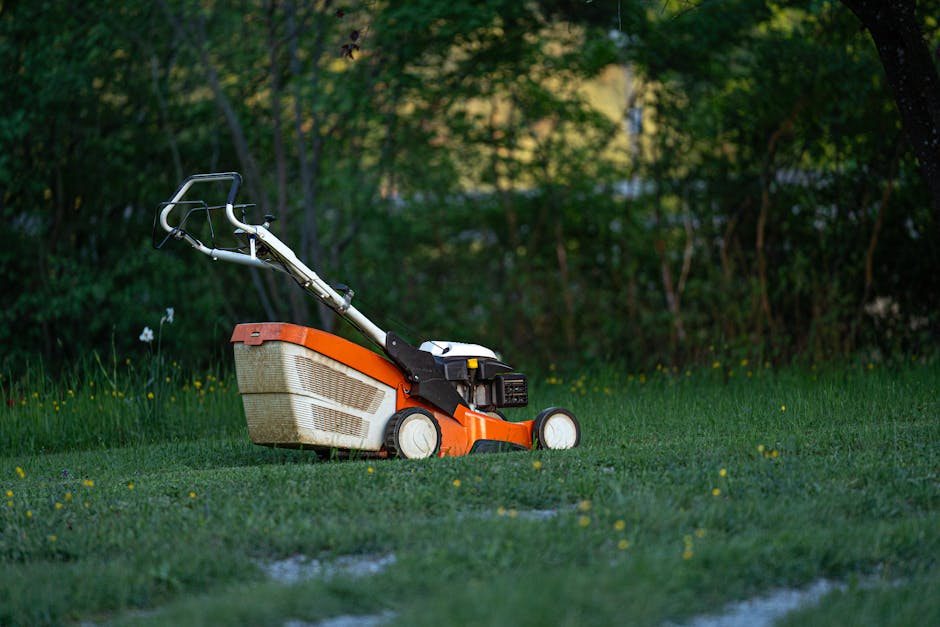
Plumstead Common lawn care services and seasonal upkeep
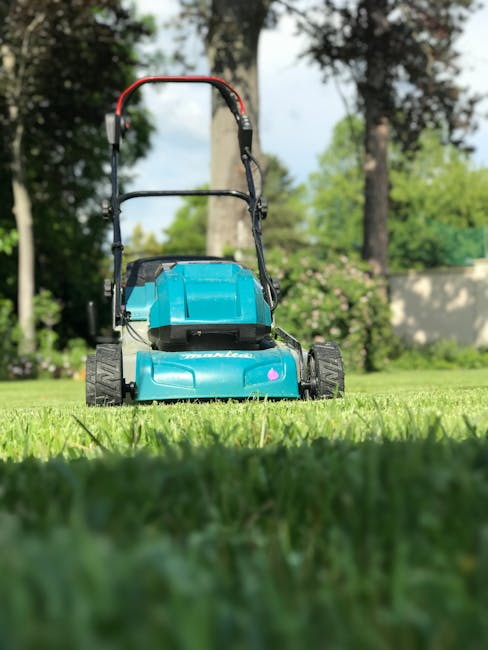
If your lawn around Plumstead Common is looking patchy, tired, or just a bit unruly after a wet spell, you are not alone. Lawns in this part of London can take a battering: shaded corners, compacted soil, foot traffic, sudden downpours, then a dry stretch that seems to arrive out of nowhere. Plumstead Common lawn care services and seasonal upkeep are about more than just cutting grass now and then. They are about keeping the lawn healthy through the year, spotting problems early, and making the whole garden easier to live with. A well-kept lawn does not happen by accident. It is built by steady, sensible care.
This guide explains what good lawn care looks like across the seasons, how professional upkeep works, what to expect, and where homeowners often go wrong. You will also find a practical checklist, a comparison table, and answers to the questions people ask most often.
Why Plumstead Common lawn care services and seasonal upkeep matters
A healthy lawn is one of those things people only notice properly when it goes wrong. Bare patches, weeds, moss, uneven growth, and edges that have slipped into the path can make an otherwise nice garden feel neglected. On and around Plumstead Common, seasonal weather changes can make lawn care especially inconsistent if it is left to chance. One month the grass is growing fast and soft, the next it is stressed, dry, or soggy underfoot.
Seasonal upkeep matters because grass is living ground cover, not just a surface to mow. It responds to mowing height, feeding, aeration, drainage, moisture, soil condition, and even how often the garden gets used. If you miss those signals, the lawn slowly weakens. To be fair, many people do not notice until the damage is obvious.
There is also the practical side. A neat lawn helps the rest of the garden work better. Paths look cleaner, flower beds stand out more clearly, and outdoor seating areas feel more inviting. If you also have larger garden jobs on the go, lawn care often sits neatly alongside garden maintenance and, for more demanding tidy-ups, garden clearance.
Expert takeaway: The best lawns are not the ones cut most aggressively. They are the ones maintained consistently, with the right work done at the right time of year.
How Plumstead Common lawn care services and seasonal upkeep works
In practice, lawn care services usually start with an assessment of the grass, the soil, the edge lines, and any trouble spots. A professional gardener will look at whether the lawn is overcut, patchy, compacted, damp, mossy, or uneven. Then they build a plan around the season and the state of the lawn rather than applying the same treatment every visit. That sounds simple, but it is exactly where good results come from.
At a basic level, regular lawn care can include mowing, edging, strimming, feeding, scarifying, aerating, overseeding, watering advice, and weed or moss control where appropriate. Seasonal upkeep adds the bigger-picture work: spring recovery, summer stress management, autumn repair, and winter protection. In a typical year, the lawn will need all of these in some form, though not always at the same intensity.
Many homeowners prefer a recurring service because it prevents the lawn slipping into a cycle of neglect and recovery. Others book one-off visits after a period of poor weather or after the garden has become a bit wild. Both approaches can work. The main difference is how proactive you want to be.
If your outdoor space needs more than lawn attention, it can make sense to look at broader services too, such as lawn mowing, hedge trimming, or even landscaping if the lawn is part of a bigger garden redesign.
Key benefits and practical advantages
Good lawn care is not just about appearance, although that is a big part of it. The benefits stack up quietly over time.
- Healthier grass: Regular cutting, feeding, and aeration help the lawn stay dense and resilient.
- Fewer weeds and moss problems: A stronger lawn naturally leaves less room for invaders.
- Better drainage and surface feel: Aeration and soil care can reduce that squelchy, tired feeling after rain.
- Cleaner edges and stronger kerb appeal: Neat boundaries make a garden look intentionally cared for.
- Less stress later: Preventative upkeep is usually easier than rescue work after months of neglect.
- Safer garden use: A flatter, tidier lawn is easier to walk on and use for children, pets, or outdoor seating.
One thing people often underestimate is how much time regular maintenance saves. A lawn that is looked after steadily is much less likely to need heavy renovation. That means fewer emergency fixes, fewer ugly patches, and fewer weekends lost to wrestling with overgrown grass on a damp Saturday morning. Nobody wants that, really.
For customers who value a tidy outdoor space year-round, it can also be useful to combine lawn care with wider upkeep through services overview planning, especially when several garden tasks need coordinating across the year.
Who this is for and when it makes sense
Plumstead Common lawn care services and seasonal upkeep make sense for a wide range of people. The obvious group is busy homeowners who want their garden to look good without having to stay on top of every seasonal job themselves. But there are other situations where it is especially useful.
- Families: If the lawn gets a lot of play, foot traffic and wear, regular care helps it recover faster.
- Older homeowners: Keeping up with mowing, feeding, and edge work can become physically awkward or just plain tiring.
- Rental properties: A tidy lawn helps present the property well and avoids complaints about neglected outside space.
- Homeowners preparing to sell: Small garden improvements often make the property feel more cared for.
- People with patchy or shaded gardens: These lawns often need more thoughtful upkeep, not just the occasional cut.
- Anyone recovering from a missed season: If the lawn has been ignored for months, a seasonal reset can stop things getting worse.
It also makes sense when you notice clear warning signs: the grass is growing unevenly, weeds are spreading, moss is thickening, or water is sitting on the surface after rain. Those are small clues, but they matter. And if trees are casting heavier shade than they used to, a look at tree lopping and removal may be part of the bigger picture, depending on the site.
Step-by-step guidance
Here is a sensible way to approach lawn care across the year. Not every lawn needs every step at every visit, but this gives you a solid framework.
- Assess the lawn properly. Look at grass density, colour, weed pressure, moss, bare areas, drainage, and how much shade it receives.
- Set the mowing pattern. Keep the cut height appropriate for the season. Cutting too short is a classic mistake, and it can stress the lawn quickly.
- Define the seasonal priorities. Spring usually focuses on recovery and regrowth, summer on stress control, autumn on repair, and winter on protection.
- Edge and tidy the borders. Clean edges make the whole space look sharper straight away.
- Treat compaction. If the ground feels hard, water struggles to soak in, or the lawn gets a lot of use, aeration can help.
- Feed and overseed when needed. Thin lawns often benefit from feeding and overseeding rather than just being cut again and again.
- Clear debris and clippings. Wet grass left in thick layers can smother the lawn and encourage disease.
- Monitor progress. Good lawn care is iterative. You check, adjust, and keep going. A bit like cooking, really, except the lawn is less forgiving than a stew.
Spring: focus on recovery. Rake out dead material, lift the lawn after winter compaction, and begin regular mowing once growth really starts.
Summer: keep the cut height sensible, avoid overcutting during dry spells, and water deeply rather than constantly sprinkling. Short, frequent watering often leads to shallow roots.
Autumn: this is the repair window. Aeration, overseeding, and leaf removal all matter here. Fallen leaves can quickly smother grass if ignored for even a few weeks.
Winter: reduce unnecessary traffic when the lawn is waterlogged or frosty, and avoid heavy work on soft ground. A lawn that is squashed repeatedly in winter can look sad all through spring.
Expert tips for better results
These are the little things that often make the biggest difference.
- Mow little and often in growth periods. Removing too much grass in one go shocks the lawn and leaves it thin.
- Keep blades sharp. A blunt mower tears grass rather than cutting it cleanly, which gives the lawn a rough, frayed look.
- Do not ignore shade. If one side of the lawn is always struggling, the problem may be light levels rather than feeding alone.
- Use the weather, not the calendar, as your guide. Seasonal work should respond to actual conditions. Plumstead Common weather can change quickly, and grass feels that change before we do.
- Let the lawn rest after heavy use. Rotating play areas or walk paths can reduce compaction in the same spots.
- Feed only when the lawn can use it. Feeding a weak lawn without fixing drainage or compaction is a bit like polishing a muddy boot.
If you want a fuller garden refresh, lawn work often pairs well with landscape gardening or targeted finishing touches like decking around seating areas through decking services. That may sound like a leap, but the edges of a garden are where the whole feel of the space comes together.
One small but useful habit: walk the lawn once after a rain shower. You will feel the soft patches, see pooling, and notice the places where the grass is simply not coping. That five-minute walk can tell you more than a month of guessing.
Common mistakes to avoid
Most lawn damage does not come from one dramatic mistake. It comes from lots of small ones repeated over time. A few are especially common.
- Cutting too short: This weakens the grass and can expose soil, weeds, and dry patches.
- Using the same routine all year: Summer, autumn, and winter lawns need different handling.
- Leaving clumps of grass behind: Especially after wet mowing, clippings can smother the surface.
- Ignoring moss or bare patches: These problems usually spread if they are not addressed early.
- Overwatering: Too much water can be as unhelpful as too little, particularly on compacted ground.
- Forgetting the edges: Sloppy edges make the whole lawn look unfinished, even if the centre is neat.
- Trying to do a big repair in the wrong season: Timing matters. Some work is far more effective in autumn or spring than in midsummer.
Another mistake is expecting instant transformation. Lawns improve, but usually in stages. You may notice better colour first, then thicker growth, then fewer problem patches. That is normal. Slow is not the same as stuck.
Tools, resources and recommendations
You do not need a massive toolkit for solid lawn care, but the right equipment helps a lot. For most domestic gardens, the essentials are fairly straightforward.
| Method or tool | Best for | Why it helps |
|---|---|---|
| Mower with adjustable height | Routine mowing through the year | Lets you match the cut to the season instead of scalping the lawn |
| Spring rake or scarifying tool | Removing dead grass and surface thatch | Improves airflow and helps new growth reach the soil |
| Garden fork or aerator | Compacted lawns and heavy-use areas | Creates channels for water, air, and nutrients to move into the soil |
| Seed spreader or hand overseeding | Bare patches and thinning grass | Helps establish new grass more evenly |
| Edging tool | Clean lawn borders | Makes the garden feel sharper and more intentional |
For many households, though, the most practical recommendation is not another gadget. It is consistency. A reliable schedule usually beats a cupboard full of unused tools. If you want support with the broader maintenance side, garden maintenance is often the easiest way to keep everything coordinated.
There is also a sustainability angle to think about. Grass clippings, green waste, and seasonal debris should be handled responsibly where possible, which is why some homeowners look closely at recycling and sustainability practices when choosing a gardening service.
Law, compliance, standards, or best practice
For most domestic lawn care, there is no complicated legal framework to worry about as a homeowner. Still, there are sensible standards and good practice points worth respecting. Garden work should be carried out safely, with care around tools, slippery surfaces, hidden obstacles, pets, children, and any fragile features nearby. That sounds obvious until you are wheeling a mower over a patch that hides a stone or an edging spike.
If you hire a professional, it is reasonable to expect clear communication about what work will be done, how waste is handled, and what happens if the garden contains hazards or access issues. You should also expect proper attention to safety and insurance. A serious local service will usually be open about these matters, as well as payment terms and service expectations.
Where work involves larger branches, overgrown boundaries, or access near trees, a more specialised approach may be needed. That is when services such as tree lopping and removal become relevant, though only where appropriate and lawful for the situation.
Best practice is the real guide here: use sharp, well-maintained tools, avoid damaging the turf when it is saturated, remove debris safely, and avoid rushed work that creates bigger problems later. Good gardening is rarely dramatic. It is careful.
For reassurance about business practices, some readers also like to review pages such as insurance and safety, health and safety policy, or the company's terms and conditions. Those details are not glamorous, but they matter when you are inviting someone into your garden.
Options, methods, or comparison table
Different lawns need different levels of help. Some only need seasonal mowing and tidy edges, while others need a more structured recovery plan. The right approach depends on time, budget, and how far the lawn has slipped.
| Approach | Best for | Pros | Limitations |
|---|---|---|---|
| Basic mowing only | Healthy, low-stress lawns | Simple, affordable, easy to schedule | Does little to fix moss, compaction, or bare patches |
| Seasonal lawn care | Lawns that need year-round attention | Balances mowing, feeding, aeration, and repair | Needs a little more planning |
| Full garden maintenance package | Busy households or larger gardens | Keeps the whole outdoor space under control | Less focused if you only care about the lawn |
| Recovery and renovation work | Neglected, patchy, or damaged lawns | Targets the real causes of decline | Takes longer and usually needs follow-up care |
If you are not sure which route fits, start with an honest assessment. A good gardener will usually tell you when a simple mowing routine is enough and when you need more than that. No drama, just facts. That sort of honesty is worth a lot.
Case study or real-world example
Picture a typical small front and back lawn near Plumstead Common. In spring, the front grass starts to green up nicely, but the back lawn stays patchy because one side is shaded by fencing and a mature tree. The owner keeps mowing it short because it looks neater that way. For a while, it does look tidy. Then the grass becomes thin, weeds creep in, and rain begins to sit on the surface after a wet week.
A sensible seasonal plan would change several things at once. The mowing height would be raised a little, the lawn would be aerated where the soil is compacted, the bare patches would be overseeded, and the edges would be cleaned up. In autumn, leaf removal and a light feed would help the lawn recover. By the following season, the grass would look thicker and more even, though not magically perfect. Real gardens rarely are.
The key lesson is simple: the improvement came from matching the work to the problem. Not from more effort for its own sake. That is usually where homeowners get the best results, especially when a lawn is only partly healthy and needs a steady hand rather than a full reset.
Practical checklist
Use this as a quick seasonal check before you decide what the lawn needs.
- Is the grass growing evenly, or are there thin and patchy zones?
- Have you noticed more weeds or moss than usual?
- Does water sit on the surface after rain?
- Are the edges neat, or are they creeping into paths and beds?
- Has the lawn been cut too short recently?
- Are there compacted areas from play, pets, or regular foot traffic?
- Do leaves, twigs, or clippings keep building up?
- Has the weather changed enough to justify a seasonal adjustment?
- Do shaded areas need extra attention?
- Would a wider garden tidy-up make the lawn easier to manage?
Quick rule of thumb: if your lawn looks worse after rain, after mowing, or after heavy use, it probably needs more than a standard cut. It needs maintenance, not just trimming.
Get a free quote today and see how much you can save.
Conclusion
Plumstead Common lawn care services and seasonal upkeep are about keeping the lawn in step with the weather, the soil, and the way you actually use the garden. That is the real job. Not just making it look presentable for one afternoon, but keeping it stable, healthy, and easier to live with over time. If you take care of the small seasonal jobs, the lawn usually gives back much better than people expect.
Whether you need regular mowing, a patch-repair plan, or broader garden support, the smartest next step is usually a careful assessment and a realistic plan. Nothing overcomplicated. Just the right work, done at the right time. And honestly, that is often the difference between a lawn that survives and one that quietly thrives.
For a service that fits the rest of your garden as well as the grass itself, you can also review the company's about us page or make direct contact through contact us when you are ready to talk through your garden's needs.
Frequently Asked Questions
How often should a lawn near Plumstead Common be mown?
It depends on growth rate, weather, and lawn condition, but during active growing periods most lawns benefit from regular, lighter cuts rather than occasional heavy mowing. If the grass is growing quickly after rain, the schedule may need to be tighter.
What is included in seasonal lawn upkeep?
Seasonal upkeep can include mowing, edging, leaf clearance, aeration, scarifying, feeding, overseeding, and simple condition checks. The exact mix changes through spring, summer, autumn, and winter.
Is lawn care different in shaded gardens?
Yes. Shaded lawns usually grow more slowly, can hold more moisture, and may be more prone to moss. They often need gentler mowing, better airflow, and closer attention to the cause rather than just the symptom.
Can a patchy lawn be improved without replacing it?
Often, yes. Overseeding, aeration, feeding, and improving mowing habits can make a big difference if the root system is still reasonably healthy. Very damaged lawns may need heavier renovation, but full replacement is not always necessary.
Why does my lawn get moss in winter and spring?
Moss often shows up where grass is weak, damp, compacted, or shaded. It is usually a sign that conditions are favouring moss more than grass, so simply removing it without fixing the underlying cause tends not to solve much.
Should I water my lawn every day in summer?
Usually not. Deep, less frequent watering is generally better than short daily sprinkling because it encourages deeper root growth. Of course, this depends on the weather and the soil, but daily watering can create shallow roots if overdone.
What is the difference between lawn mowing and seasonal lawn care?
Lawn mowing is one part of the job. Seasonal lawn care includes mowing, but also covers the broader work needed to keep the lawn healthy across the year, such as feeding, aerating, repairing, and managing the changes in weather.
Do I need professional help if I already own a mower?
Not always, but professional help is useful when the lawn is patchy, uneven, compacted, or affected by weeds and moss. A mower handles the cut; a lawn care service looks at the condition of the grass as a living surface.
How do I know if my lawn needs aeration?
If water pools, the soil feels hard, grass struggles in heavy-use spots, or the lawn looks tired even after mowing, aeration may help. It is especially useful on compacted ground or in areas that get walked on a lot.
Can lawn care be combined with other garden work?
Absolutely. In fact, it often works better that way. Lawn mowing, hedge trimming, garden maintenance, and even larger tidy-up or landscaping work can be coordinated so the whole garden improves together rather than in isolated pieces.
What should I ask before booking a gardener for lawn upkeep?
Ask what is included, how often the work is recommended, whether seasonal treatments are part of the plan, how waste is handled, and whether the service has clear terms, insurance, and safety practices. Those are the questions that really matter.
When is the best time to start improving a neglected lawn?
Usually spring or early autumn are the most practical times, because the grass is actively growing and can recover more easily. That said, the right starting point also depends on the weather and the actual condition of the lawn. Sometimes a careful first visit is enough to set the direction.